Nguiu’, or Woman-Man, is a contemporary construct born from the need to name ourselves and resist. In the Zapotec region of the Isthmus, this term is becoming a political and affective sanctuary for lesbians and sex-disident women, marking a new era in how we inhabit our Binizá territory.
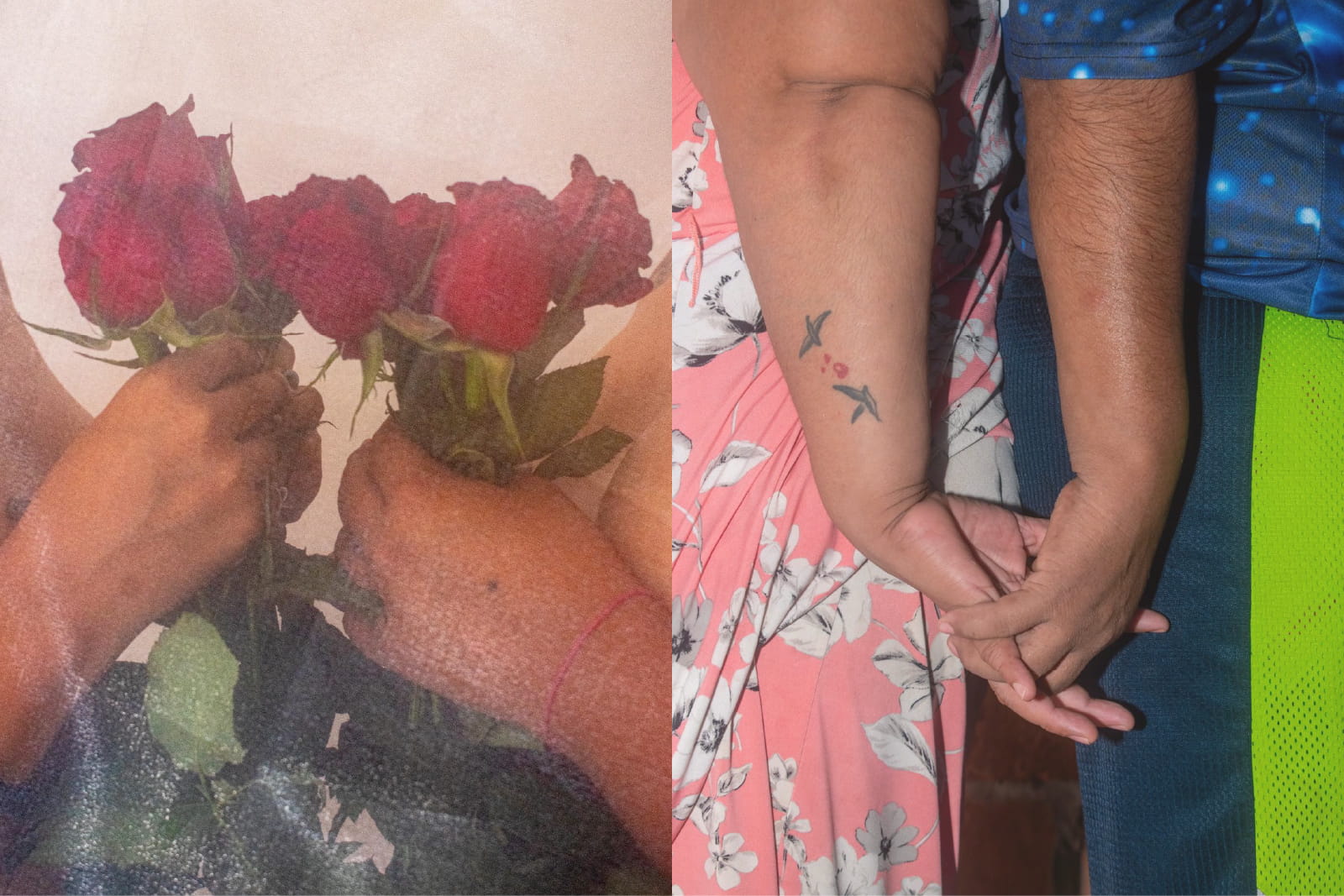
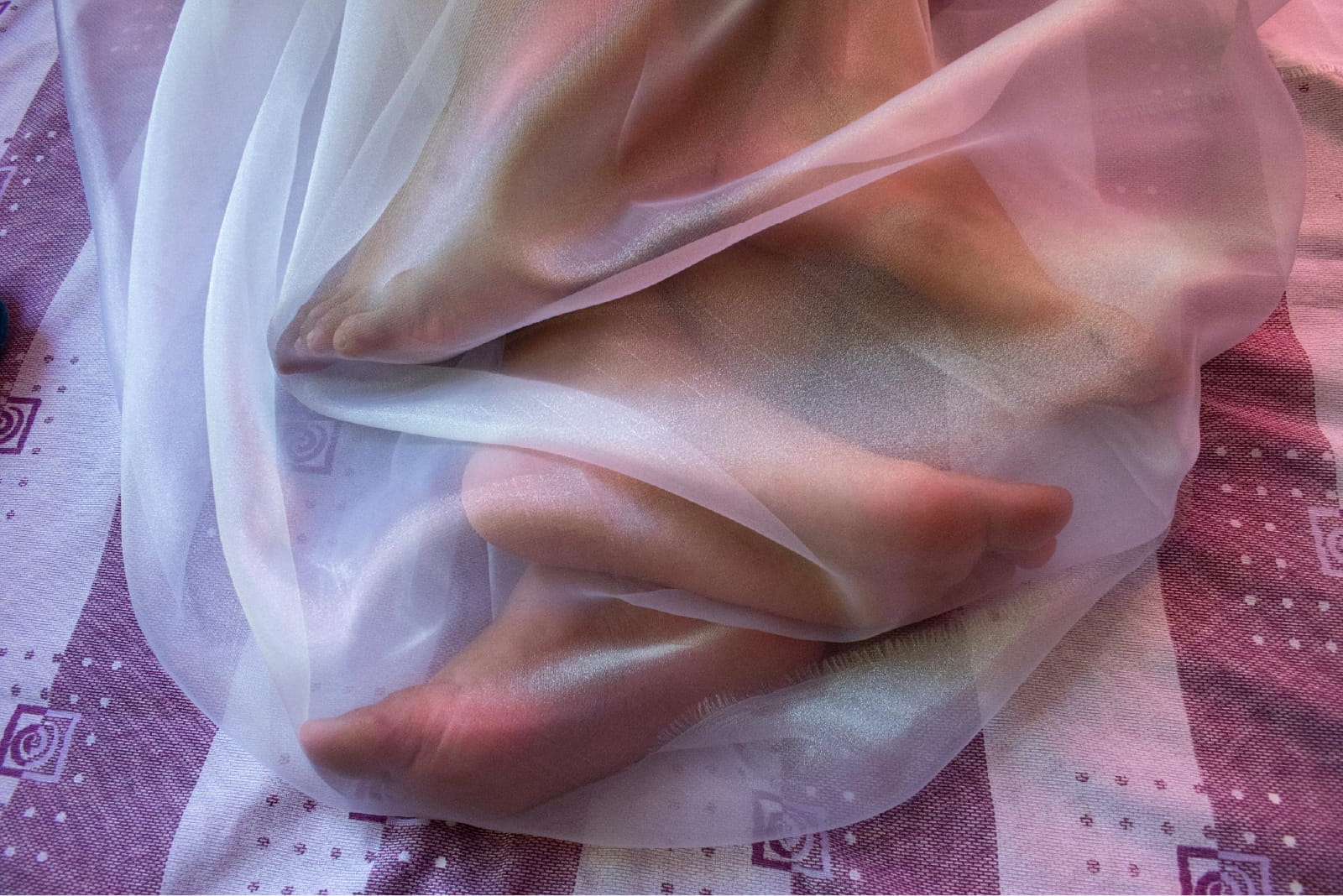
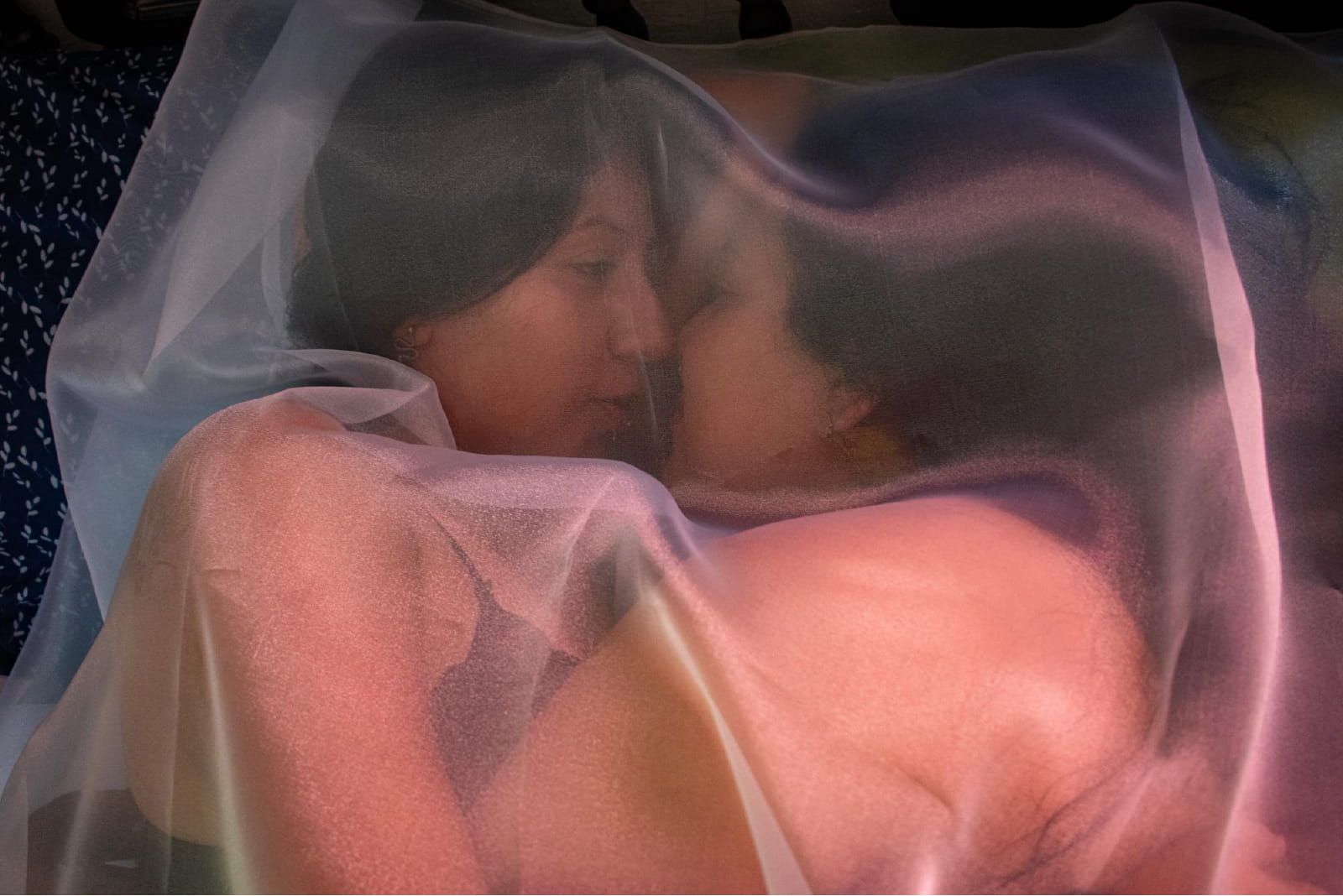
Who dictates that our identity must be a fixed designation to occupy a space? This photographic project is born from the desire to question that imposition. Through my lens, I document lesbianism not as a label, but as a lived experience: the everyday lives of women who, in loving, rewrite the rules of our region. Here, delicacy coexists with dissidence, and the expression of each body becomes an act of sovereignty.
I have decided to portray the nguiu because they are the vital pulse of our territory. This visual archive is not just a record; it is an exercise in dignity that places those who have been invisible at the center of the artistic gaze—women who are an essential part of our cultural heritage.
Nguiu’ explores the cracks of sexual diversity that endure in the Isthmus. I deeply honor those who take the step toward visibility—creating essential support networks—and also those who choose the refuge of discretion. Through these images, I invite a reflection on autonomy: the radical respect for the human being who decides to inhabit their own desire.
In the Isthmus of Tehuantepec, identity is a complex embroidery: our women do not only wear the flowers of the huipil and the skirt; they also, with the same elegance and sense of belonging, wear the guayabera and trousers, challenging the horizon with a new way of being and existing.
Below, I present fragments of the visual record of this project.